
Psoriasis is a chronic skin condition that causes the rapid buildup of skin cells, leading to scaling, redness, itching, and sometimes discomfort. It commonly appears as thick, red patches covered with silvery-white scales and can affect areas such as the elbows, knees, scalp, and lower back.
Treatment depends on the severity and type of psoriasis, but the goal is always the same: reduce inflammation, control flare-ups, relieve itching and scaling, and improve the overall health and comfort of the skin.
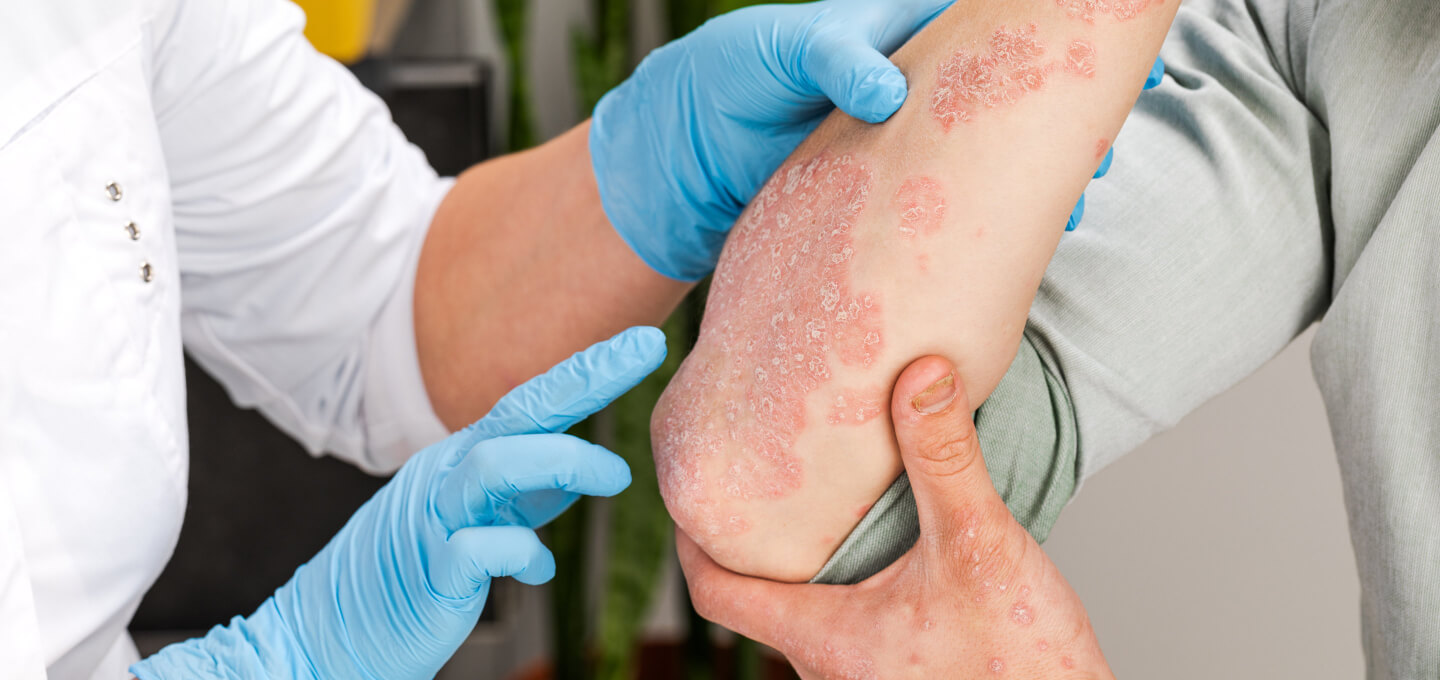
The doctor examines your skin, understands your psoriasis condition, and checks the severity, affected areas, and possible triggers such as stress, infections, or immune-related factors.
A customized treatment plan is created using the right combination of medications, topical treatments, skincare guidance, and procedures if needed to control flare-ups and reduce symptoms.
Regular follow-up helps monitor improvement, manage flare-ups, adjust treatment as needed, and maintain long-term control of psoriasis symptoms.

We can guide you through psoriasis care, treatment options, and what results to expect from your plan.
Below are a few common questions that patients ask before starting psoriasis treatment.
Psoriasis is a chronic autoimmune condition that causes the rapid buildup of skin cells, resulting in thick, scaly patches on the skin. These patches can be itchy, painful, and may appear on various parts of the body, including the scalp, elbows, knees, and lower back.
Psoriasis is a lifelong condition that can significantly impact quality of life. While there is no cure, proper treatment can help manage symptoms, reduce inflammation, and prevent complications such as joint damage (psoriatic arthritis) and increased risk of cardiovascular disease.
Psoriasis is an immune-mediated skin condition where the body’s immune system becomes overactive, causing skin cells to multiply too quickly. This leads to the buildup of thick, red, scaly patches on the skin.
It can be triggered or worsened by factors such as stress, infections, skin injuries, certain medications, cold weather, and lifestyle factors. There is also a genetic tendency, meaning it can run in families.
Yes! Psoriasis can be effectively managed and its symptoms controlled. However, there is no single one-size-fits-all treatment, as severity and triggers vary from person to person. Our psoriasis clinic provides customized treatment plans based on your condition and needs.
Nowadays, we have a wide range of treatment options for psoriasis. To achieve the best results, it is important to follow the complete treatment protocol as advised by your dermatologist.
In short, our psoriasis clinic protocol consists of: