
Pigmentation is a common skin concern that leads to dark patches or uneven skin tone, and melasma is a specific type of pigmentation often seen as symmetrical brown or grayish patches on the face. It commonly affects areas like the cheeks, forehead, nose, and upper lip, and can occur in both men and women, though it is more frequent in women.
It develops due to excess production of melanin triggered by factors such as sun exposure, hormonal changes, genetics, or certain medications. Treatment depends on the type and depth of pigmentation, but the goal is to lighten dark patches, even out skin tone, prevent recurrence, and improve overall skin clarity and appearance.
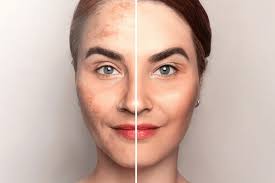
The doctor examines your skin, understands your pigmentation or melasma concerns, and checks for possible triggers such as sun exposure, hormonal changes, genetics, or skin sensitivity.
A customized treatment plan is created using the right combination of depigmentation treatments, skincare guidance, sun protection, and procedures if needed.
Regular follow-up helps monitor improvement, adjust the treatment plan, and prevent recurrence of pigmentation or melasma for long-term skin clarity.

We can guide you through pigmentation and melasma care, treatment options, and what results to expect from your plan.
Below are a few common questions that patients ask before starting pigmentation and melasma treatment.
Pigmentation refers to dark patches or uneven skin tone caused by excess melanin production in the skin. Melasma is a common type of pigmentation that appears as brown or grayish patches, usually on the face such as cheeks, forehead, nose, and upper lip. It is more common in women and can be triggered by sun exposure, hormonal changes, or genetics.
Pigmentation and melasma can gradually become darker and more noticeable if not treated early. In some cases, they may become persistent and difficult to fade completely. Early and consistent treatment helps improve skin tone, prevent worsening, and restore a more even complexion.
Pigmentation and melasma can develop due to multiple factors. The most common cause is sun exposure, which stimulates excess melanin production. Hormonal changes such as pregnancy or birth control use can also trigger melasma. Other causes include genetics, skin inflammation, certain medications, and improper skincare practices.
Yes! Pigmentation and melasma can be improved and managed effectively. However, there is no single treatment that works for everyone, as each skin type and condition is different. Our pigmentation clinic is designed to provide customized treatment based on your skin needs.
In short, our treatment protocol consists of: