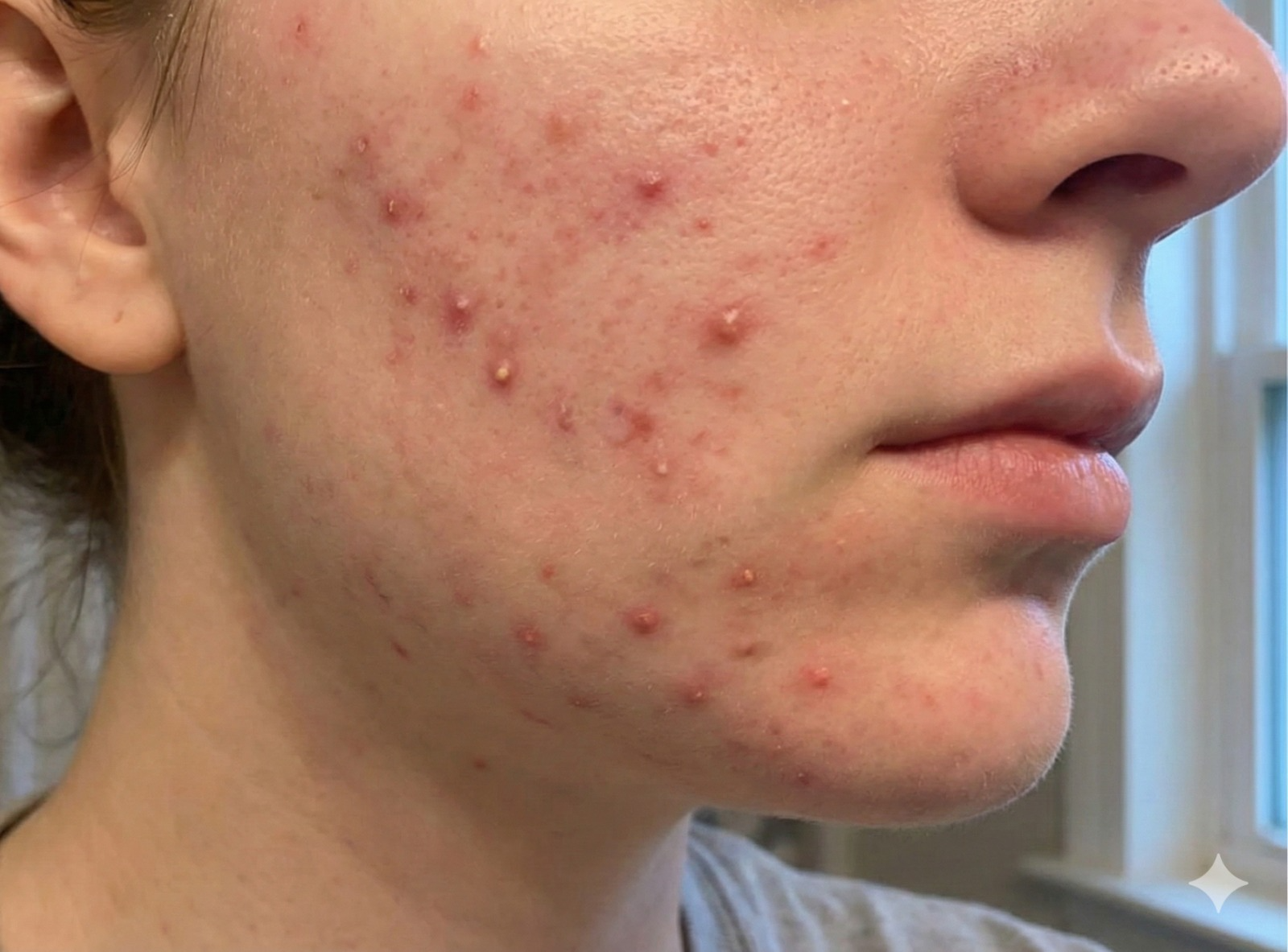
Acne is one of the most common skin concerns, and it can affect both teenagers and adults. It develops when pores become blocked with excess oil, dead skin cells, and bacteria, leading to blackheads, whiteheads, pimples, or deeper inflamed spots.
Treatment depends on the type and severity of acne, but the goal is always the same: reduce active breakouts, control oil production, prevent scarring, and improve the overall health and appearance of the skin.
The doctor examines your skin, understands your acne pattern, and checks for triggers such as hormonal changes, excess oil, or sensitive skin.
A treatment plan is created using the right combination of medicines, skincare guidance, and procedures if needed.
Regular follow-up helps track improvement, adjust the plan, and prevent future breakouts or scarring.

We can guide you through acne care, treatment options, and what results to expect from your plan.
Below are a few common questions that patients ask before starting acne treatment.
Acne (or pimple) is an affliction of the oil glands of the skin. Contrary to popular belief, acne problem is not confined to teenagers only. While most people outgrow acne by late teens, yet many continue to be affected for much longer. Acne can show up as whiteheads, blackheads, red bumps or pus-filled lumps. Acne most commonly occurs on the face but can also appear on the back, chest, shoulders and neck.
Acne eruptions do come and go, but unfortunately some are left with acne scars and marks that may be permanent if left untreated. And it is impossible to predict which patient will scar. Therefore acne problem is not a trivial matter and should be treated early and thoroughly.
There is an increase in the production of the hormones (androgens) during puberty. This results in an increase in the size and activity of the oil glands (sebaceous glands), especially those located on the face, neck and upper body. These glands produce an oily substance called sebum. Some skin cells lining the wall of the pore (hair follicle) become excessively sticky, therefore plugging up the pores and entrapping the sebum. The increased amount of sebum and dead skin cells contribute to the growth of bacteria deep in the pores. The bacteria in turn cause an inflammatory reaction that result in red painful lumps of acne. There is some tendency for acne to occur in the same family members. This indicates a possible genetic predisposition for this condition. Use of inappropriate cosmetics and creams, or the oral consumption of certain medications and hormones are other causes of acne.
Yes! You can clear acne! You can prevent acne scar formation! However there is no single one-size-fits-all acne treatment formula. Our Acne clinic is specially designed to treat your acne problem and tailored accordingly to your needs. Nowadays we have a wide range of acne and acne scars treatment. To achieve best results, you are advised to go through the complete treatment protocol as per your dermatologist.
In short, our Acne clinic protocol consists of: